
Ninja Arashi 2 Shadow's Return
Black PantherAdventure
4.4188.00 Reviews
- Version
- 1.4
- Installs
- 5.00M
- Age Rating
- Teen
Screenshots
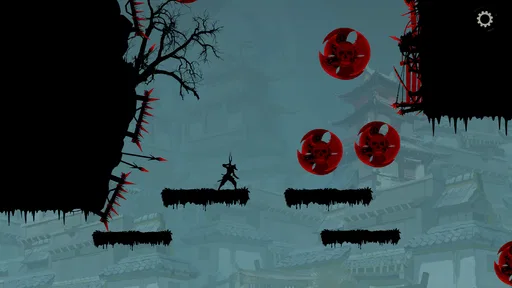
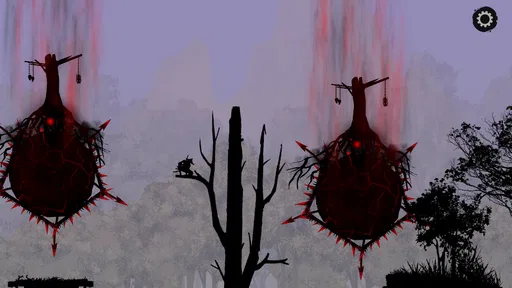
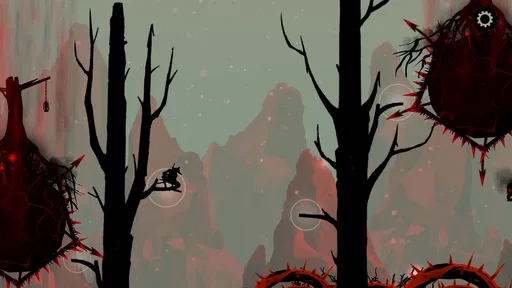
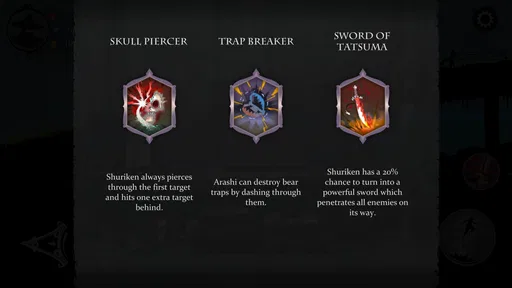
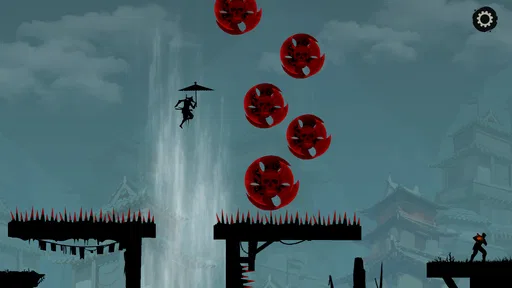
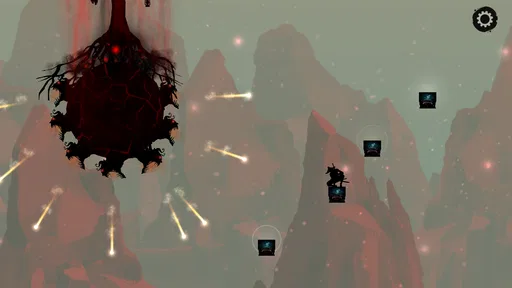
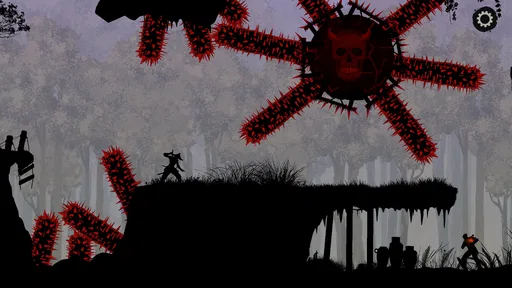
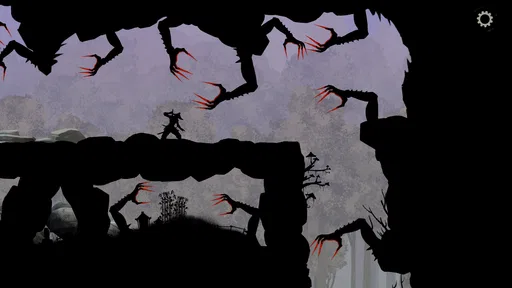
Our Review of Ninja Arashi 2 Shadow's Return
 Analysis by Appyee
I spent time with Ninja Arashi 2 Shadow's Return as a fast, demanding adventure game rather than something I would casually leave running in the background. It puts you in the role of a ninja moving through dangerous platforming stages, where timing, movement, and patience matter more than simply tapping through enemies. My first impression was that it understands the appeal of a focused action game: short attempts can feel satisfying, but careless movement is punished quickly.
That makes it an interesting choice for a shared phone or tablet. One person can play for a few minutes, hand the device to someone else, and still feel that the session had a clear purpose. At the same time, the difficulty and Teen content rating mean I would not treat it as a universal family game. In my household, I would be comfortable recommending it to an older child or teenager who already enjoys action platformers, but I would not install it automatically for a young child just because the download is free.
How the game fits into a shared household
The most practical shared-device use case is a quick challenge after dinner, during a commute, or while waiting for an appointment. The game does not need to be presented as a long group activity to be enjoyable. Instead, one player can attempt a section, explain what went wrong, and let the next person try. That pass-and-play rhythm works especially well when everyone understands that failure is part of the experience rather than a reason to argue over the device.
I found that the game encourages spectators to participate in a useful way. Someone watching can notice a trap, suggest waiting before moving, or remember an enemy pattern that the player missed. This is different from a purely competitive multiplayer game, where the person holding the device has all the meaningful control. Here, a second person can contribute as an observer, although the actual progress still belongs to whoever is playing.
There is also a downside to sharing it. A player who is deeply focused may not want to stop after a failed attempt, especially when success feels close. If several people use the same phone, I would agree on turns before starting rather than interrupting someone at an important moment. That small rule matters because the game’s tension comes from concentration, and a sudden handover can feel more frustrating than fun.
For a household with different tastes, the game is best treated as an optional challenge rather than the default entertainment choice. Younger players may prefer something forgiving and colorful, while adults who want a calm evening game may find the repeated attempts too intense. I would recommend it most strongly to households where at least one person enjoys precise platforming and everyone else is willing to watch, advise, or take turns.
What the first sessions feel like
The opening hours are mainly about learning how the game expects you to move. I quickly stopped thinking of each obstacle as something to rush through. A better approach was to look ahead, identify the immediate danger, and decide whether attacking or waiting was safer. That change in attitude made the game feel less random. When I failed, I could usually connect the mistake to a rushed jump, poor timing, or an assumption that an enemy would behave differently.
That learning loop is one of the strongest reasons to keep playing. The game does not need a complicated story explanation to make a retry meaningful. The goal is simple: understand the route, improve the execution, and get farther. For me, this made it suitable for short sessions, because even a failed attempt often taught me something that could be applied immediately.
It is less suitable if you want an adventure that lets you explore without pressure. The ninja theme gives the action a clear identity, but the main attraction is the physical challenge. Players who prefer dialogue-heavy adventures, relaxed exploration, or automatic combat should look elsewhere. This is a game I would choose when I want to concentrate, not when I want the phone to do most of the work.
Setting boundaries before anyone plays
The game is free to start, which removes the biggest barrier for trying it on a shared device. However, it includes in-app purchases priced from $1.99 to $4.99 per item. That is important in a household because “free to download” does not mean every optional purchase is irrelevant. Before handing the device to a child, I would make sure the person using it understands that purchases are not part of the normal turn-taking process.
I would also keep the game’s Teen rating in mind. The rating does not automatically make it inappropriate for every younger player, but it is a clear reason to make the decision with the child’s age and sensitivity in mind. I would watch the opening play session rather than relying only on the ninja theme. A child who handles action violence comfortably may be fine with it, while another may find the repeated danger or defeat unpleasant.
One useful household boundary is to separate play time from purchase decisions. If someone wants an item, the request should happen after the session, not in the middle of a tense level. This avoids turning an exciting moment into pressure to spend. It also gives the owner of the device a chance to decide whether the purchase is worthwhile instead of reacting quickly to a prompt.
Because the game is designed for active play, I would avoid presenting it as a background activity for very young children. A child who is still learning to share may also struggle with the repeated retries and the expectation that another person gets the next attempt. In that situation, a slower, more forgiving game would probably create a better household experience.
Device readiness and account separation
The minimum operating system is Android 8.0, so compatibility is reasonably broad for many Android devices, but I would still check the specific phone before planning a shared installation. The game is currently at version 1.4, and keeping the app updated is sensible when several people rely on the same device. An older phone may also make precise controls harder if the screen is small, worn, or already crowded with other apps.
Shared use becomes much easier when each person knows whose progress is being used. I would not assume that a single device automatically provides separate player identities or separate save boundaries. If the game offers no clear profile separation on the device, family members should agree that one person owns the active progress, or they should use separate devices when preserving individual advancement matters.
This is a small but important distinction. A younger player may not understand why a parent’s progress changed after experimenting with a level, and a parent may not appreciate having a carefully developed route disrupted. The safest routine is to decide who is responsible for the current game state before playing. That is more reliable than trying to reconstruct progress after several people have used the same session.
I would also avoid switching between accounts or devices casually unless the game clearly supports that workflow. Progress portability is something I would verify inside the game before promising it to a family member. For a household where everyone wants a personal campaign, separate installations or devices may be less confusing than sharing one copy.
Coordinating turns without ruining the challenge
The best coordination method I found is to use natural stopping points rather than a strict timer. A player can finish an attempt, reach a safe section, or stop after learning a particular obstacle. This keeps the handover from happening in the middle of a jump or combat sequence. It also gives the next player useful context: what was tried, what failed, and what strategy might work next.
A simple note can help when several people share the same device. I would write down the current stage or goal in a household message, especially if the device is used by more than two people. That prevents the common problem of someone opening the game and not knowing whether they are continuing a run, testing a route, or starting from the beginning.
Watching another person play can be surprisingly valuable, but advice needs limits. I learned more when I was allowed to make a mistake and remember it than when someone gave constant instructions. For children, I would encourage one suggestion at a time: wait, look, then move. Too many instructions can turn a personal challenge into a stressful performance.
There is a useful trade-off between helping and taking over. An adult can demonstrate a technique, but doing every difficult section removes the moment when the younger player learns the timing. If the goal is shared entertainment, I would let the less experienced player keep control and use the observer’s role for hints. If the goal is simply to reach a later area, taking turns with a skilled player may be more efficient, but it is less educational.
Why short sessions work better than forced marathons
I would recommend setting a modest stopping rule, such as ending after a successful attempt or after a few focused failures. The exact limit should depend on the player, but the principle is useful: stop while the challenge still feels constructive. Repeating the same mistake for too long can change the mood from determined to angry, particularly for children who are still building patience with difficult games.
Short sessions also make the game easier to fit around homework, chores, meals, or shared device needs. It does not have to become the activity that controls the evening. In my experience, the game is more enjoyable when I return with a clear head and a specific problem to solve, rather than continuing simply because I have already invested time.
For adults, this makes it a good companion to a busy routine. I could imagine playing while waiting for a train or taking a break, provided I was somewhere that allowed concentration. I would not choose it while multitasking, because divided attention makes the controls feel harsher and turns avoidable mistakes into irritation.
Age, trust, and the free-to-play question
The Teen rating should be part of the conversation before installation, especially when the phone belongs to a child. I would explain that the game involves a ninja facing danger and that the challenge may include repeated defeats. That conversation is more useful than simply saying it is an adventure game. A child should know both what kind of action to expect and why the adult is checking whether it is a good fit.
Trust also applies to spending. Since the game costs nothing to download but offers paid items, I would establish a clear household rule: no purchase without permission. The rule should apply equally to adults and children on a shared device, because accidental purchases are not only a child-related issue. If the device has purchase protections available at the operating-system level, I would use them, but I would still rely on communication rather than assuming a setting solves every problem.
The game’s popularity gives it some context. It has an average rating of 4.4 from around 24 thousand ratings and has passed 5 million installs, so it is clearly not an obscure experiment that only a handful of players have tried. I still would not use popularity as a substitute for supervision. A well-liked action game can remain a poor match for a particular child’s age, temperament, or tolerance for failure.
The developer is Black Panther, and the current release is version 1.4. Those details matter less than the actual household experience, but they help identify the exact game when several ninja-themed titles appear in an app library. I would check the title carefully before installing, especially if a child is asking for a sequel or a similarly named game.
One honest limitation is that the game may create friction between players with very different skill levels. A confident teenager can move through challenges that leave a younger sibling stuck, which may make shared progress feel unfair. I would handle that by separating “practice turns” from “main progress.” The younger player can experiment without being blamed for changing the household’s best run.
Where it stands beside other adventure games
Compared with story-led adventure games, this one puts much more weight on action and execution. If I want character conversations, broad exploration, or a relaxed narrative pace, I would choose a different kind of adventure. Ninja Arashi 2 Shadow's Return is more appealing when the pleasure comes from mastering movement and surviving a dangerous route.
Compared with endless runners, it offers a stronger sense of deliberate decision-making. An endless runner often rewards immediate reactions and repeated high scores, while this game made me think about the next move before committing. That does not make it easier; it makes the challenge feel more planned. Players who dislike repeating sections may prefer the quicker feedback of a runner.
Compared with casual platformers, the ninja game feels less forgiving. Casual alternatives are often better for a mixed-age group because a new player can make progress quickly. Here, the learning curve can be the point, but it can also be the barrier. I would choose this title for a teenager who asks for something demanding, not for a family looking for a universally accessible first platformer.
It also has an advantage over many large adventure games when storage, attention, or free time is limited. The core experience is easy to understand, and a player can return to a specific challenge without needing to remember a complicated plot. The trade-off is that the narrower focus may become repetitive for someone who needs constant novelty.
For a shared household, I would rank it above a competitive game when the goal is cooperation through observation. I would rank it below a cooperative multiplayer title when everyone wants direct participation at the same time. Only one person is making the important moves, so the shared experience depends on conversation and turn-taking rather than simultaneous control.
My household verdict
I recommend Ninja Arashi 2 Shadow's Return to players who enjoy tense platforming, quick decisions, and the satisfaction of improving after a failed attempt. It is free to begin, works on devices running Android 8.0 or later, and has enough focused action to fit short breaks without feeling like a disposable tap game. Its strong audience response, including a 4.4 average, supports my impression that it has found a clear place among action-adventure players.
For shared use, I would install it with a plan rather than simply handing it to everyone. Decide who owns the active progress, agree on turns, discuss the Teen rating, and make the purchase rule clear before play begins. Those steps are especially useful because the game’s intensity can make people want “one more try,” while its optional paid items make impulse decisions possible.
I would skip it for a young child who needs gentle pacing, for a player who dislikes repeated failure, or for anyone searching for a calm story adventure. I would also choose another game when the household needs several people to play actively at once. Its strengths are precision, focus, and a satisfying retry loop; those same qualities become weaknesses when the audience wants easy progress or constant group participation.
My final view is positive but specific: this is a good free adventure game for a teenager or adult who wants a serious platforming challenge, and it can work well as a pass-and-play activity when the household respects each player’s turn. The best way to enjoy it is to treat every failure as information, not as wasted time. With sensible boundaries around age, spending, and shared progress, it earns a place on an Android device used by people who enjoy learning difficult routes together.
Verdict
Strengths of Ninja Arashi 2 Shadow's Return
- Fast, responsive controls make combat and platforming feel satisfying.
- Hand-drawn visuals create a dark, atmospheric ninja world.
- New abilities add variety to exploration and enemy encounters.
- Multiple secrets and collectibles encourage careful level exploration.
- Offline play makes it convenient for gaming without an internet connection.
Limitations of Ninja Arashi 2 Shadow's Return
- Some traps require trial and error rather than clear visual warnings.
- Difficulty spikes can make later stages feel frustrating.
- Repeated enemy patterns may reduce variety during longer sessions.
- Optional ads can interrupt the experience after certain gameplay moments.
- The story is limited, with less character development than the action gameplay.
Other Releases by Black Panther
View All
Ninja Arashi
Adventure4.6

Ninja Arashi 2
Adventure4.5
Similar Picks in This Category
View All
Roblox
Roblox Corporation4.2

Pokémon GO
Niantic, Inc.3.5

Ninja warrior: legend of adven
TOH Games4.6
Ninja Arashi
Black Panther4.6

Eyes - The Horror Game
Fearless Games sp. j.4.5

Critical Action:Gun Strike Ops
FPS Shooter & Action Game4.3
Frequently Asked Questions
What is Ninja Arashi 2: Shadow’s Return about?
Ninja Arashi 2: Shadow’s Return is a fast-paced action platformer in which you control Arashi, a skilled ninja fighting through dangerous environments to rescue his kidnapped son and confront powerful enemies. The game combines side-scrolling movement, traps, combat, exploration, and light role-playing elements. Its dark visual style and challenging level design make it especially appealing to players who enjoy classic ninja adventures with modern mobile controls.
Is Ninja Arashi 2: Shadow’s Return free to download and play?
The game can generally be downloaded for free on supported mobile platforms, allowing players to experience its main adventure without paying upfront. However, availability, advertising, and optional purchases may vary depending on the Android or iOS version and region. Before installing, it is worth checking the store listing for current requirements, in-app purchase information, and whether the edition you choose includes advertisements or additional content.
Does Ninja Arashi 2: Shadow’s Return require an internet connection?
Ninja Arashi 2: Shadow’s Return is primarily designed as a single-player experience, so much of the core gameplay can usually be enjoyed without a continuous internet connection. An internet connection may still be required for downloading the game, receiving updates, displaying advertisements, restoring purchases, or accessing certain platform services. Players who want uninterrupted offline sessions should confirm the current store description and test the installed version.
Is Ninja Arashi 2: Shadow’s Return suitable for beginners?
The game is accessible at first, but it becomes challenging as new traps, enemies, and platforming sequences are introduced. Beginners can learn the basic controls quickly, yet success often requires patience, careful timing, and repeated attempts. Checkpoints and character improvements help reduce frustration, while experienced action-platformer players may appreciate the demanding stages. It is a good choice for players who enjoy learning enemy patterns rather than expecting an easy, casual adventure.
What devices are needed to play Ninja Arashi 2: Shadow’s Return smoothly?
The exact requirements depend on the version available through Google Play or the App Store, but Ninja Arashi 2: Shadow’s Return is built for mobile devices and should run on many relatively modern Android phones and iPhones. Performance can vary according to processor, memory, operating-system version, and available storage. Before downloading, check the official listing for compatibility, keep sufficient free space available, and update your device if the game shows performance problems.
Play our best games!


